Bioprospecting of Catmints & Sages: The Cat's Meow of Natural Insect Repellents

BIOPROSPECTING OF CATMINTS AND SAGES: THE CAT’S MEOW OF NATURAL INSECT REPELLENTS
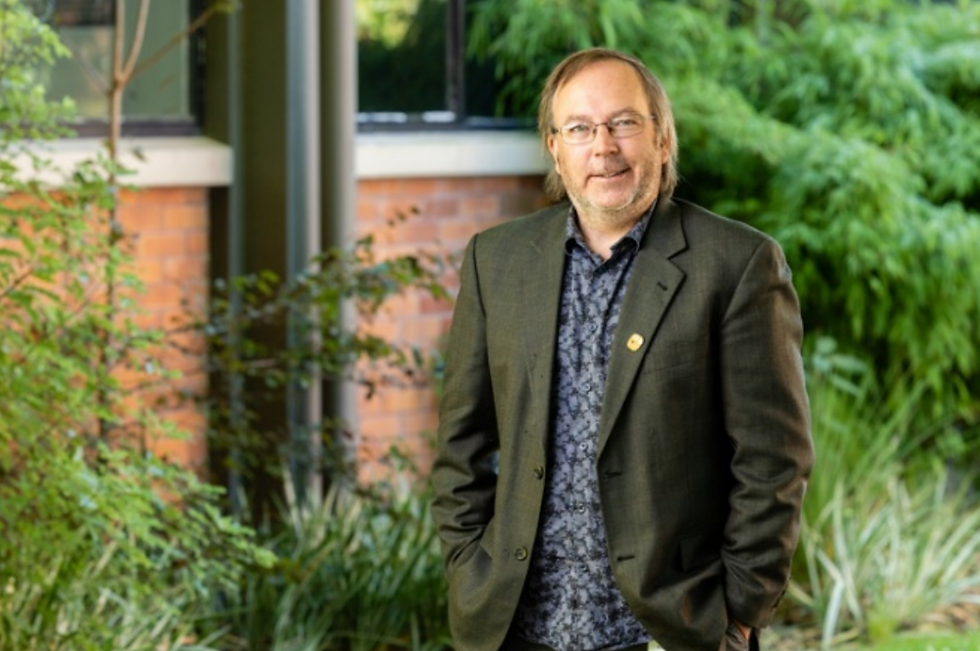
The second TRI talk of 2025/26 was given by Dr Martin Zorde, a postdoctoral fellow at TRI, and was an overview of his PhD studies, which focussed on the chemical composition of catmints (Nepata), and sages (Salvia).
During the talk, Martin gave an overview of the reasons for studying essential oil composition within plants, as well as the importance of identifying secondary metabolites formed as part of natural processes within the plant’s life cycle. Understanding the chemical structure was also touched upon, as a means for derivatization in later research for improving potency if necessary.
During his PhD, Martin compared the chemical composition of the oil from 85 species of catmint. Overall, 42 different chemical compounds were isolated, of which 35 were identified. Across all plants from the catmint genus, 8 compounds were consistently isolated, with each species exhibiting their own chemical fingerprint. Martin then outlined how his work was extended, through extraction of essential oils from species of Nepata and Salvia, and the ability of these extracts to repel bedbugs.
If you’d like to read Martin’s thesis, it’s available through the Rutgers library. Or, if you missed the talk and would like to watch it again, head to your original Zoom. Martin’s talk is also available in the TRI library and is free to access for TRI Member Companies. Finally, the TRI Talks from 2025 are also available to purchase as a Box Set for USD$25.
If you would like more information about becoming an TRI Member Company and all the advantages that this offers, please get in touch!
The next TRI Talk is by Larry Senak (Principal Scientist at TRI Princeton) on January 14th and is called “Hair Resilience: Advanced Techniques to Evaluate Hair Bonding and Validate Cosmetic Claims”.